
History of the Lighthouse
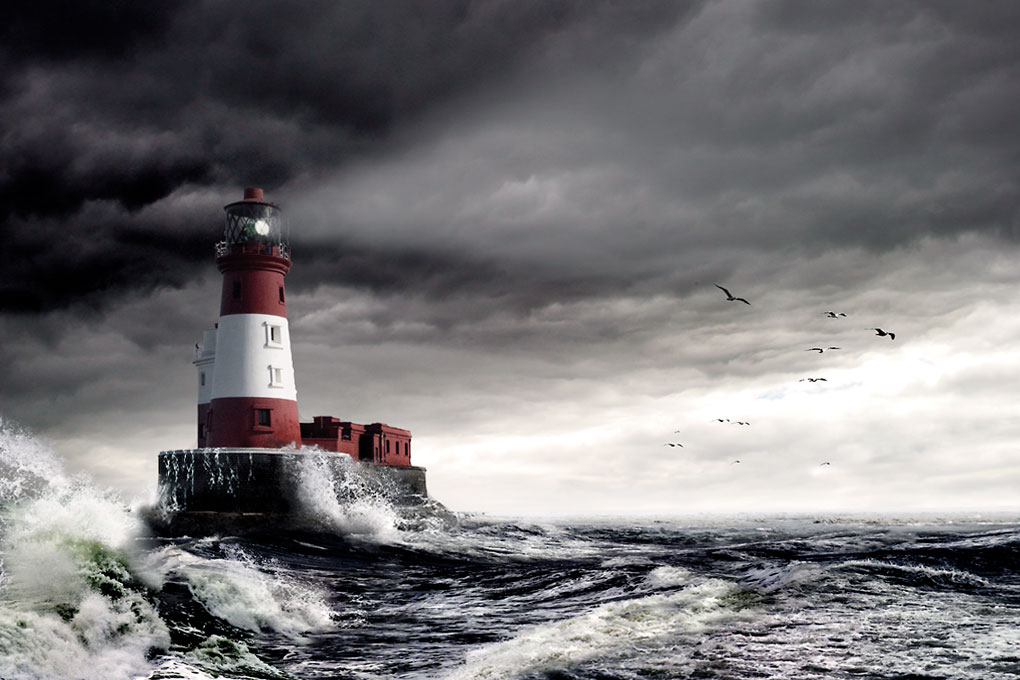
This gorgeous lighthouse was first lit on the 15th of February 1826. It was designed by Joseph Nelson, who then went on to oversee the build. It was originally named ‘Outer Farne’ lighthouse, and it’s best known for the daring rescue of nine shipwrecked sailors by Grace and William Darling.
Grace (and William) Darling’s Heroism
In waters off the coast of Northumberland in England, stands Longstone Lighthouse, a lighthouse at will of the North Sea’s storms. At the heart of this tale was a woman named Grace Darling, the daughter of the lighthouse keeper at the time, William Darling.
A storm raged on the night of the 7th of September 1838, and darkness cloaked the sea. Grace, known for her courage and love for the sea, sat vigilant in the lighthouse, eyes scanning the waves. Suddenly, through the darkness, a cry pierced the air—a ship had come ashore on the rocks of Big Harcar.
Grace and her father knew that lives hung in balance. Ignoring the storm’s fury outside, they prepared to launch a small rowboat into the tempest. Rain lashed faces, and the wind howled in protest, but they were driven by duty to sailors in care.
With every stroke of their oars, they battled the waves, guided only by the dim light of the lighthouse. And then, amid chaos, they spotted nine shipwrecked survivors clinging to rocky Big Harcar.
One by one, they rescued every single sailor.
Grace was only 22 at the time. Lighthouse keepers’ families were often deeply involved in the lighthouse duties, and this story is a pretty intense example of that!
Sadly, Grace died four years later at the age of 26 from tuberculosis, but her legacy lives on.
Present Day
Today, visitors can go for a 30-minute tour of the lighthouse, as part of a 2-hour tour of the Farne Islands.
For more information, click here to visit Trinity House’s website.
 Lighthouse Explorers